Selected Work

Trauma-informed reporting and public health education across mental health, care systems, and equity.

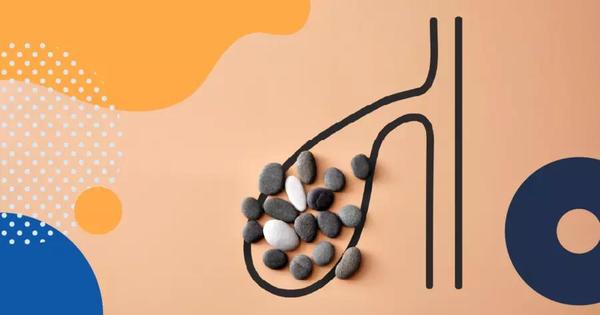
Endometriosis Isn't Just Painful Periods—Here's What It Really Is - Blue Life Mag

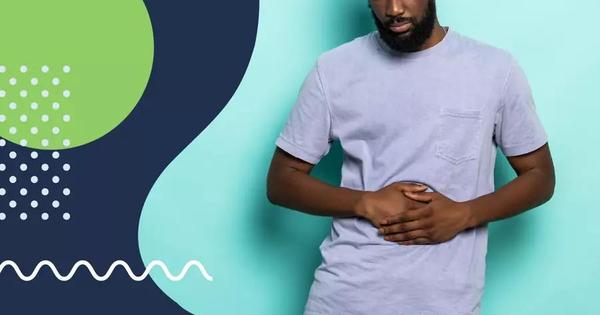
Across Africa, many women are told their severe period pain is “normal” or “that is just part of being a woman.” But for those living with endometriosis, the pain goes far beyond cramps. 


The chronic pelvic pain associated with endometriosis can affect your education, career, intimacy, fertility, and emotional wellbeing, long before a diagnosis is made.


Endometriosis is a condition where tissue similar to the lining of the womb grows in places it shouldn’t. Instead of staying inside the ut...

Stages Of Trauma Treatment And Recovery

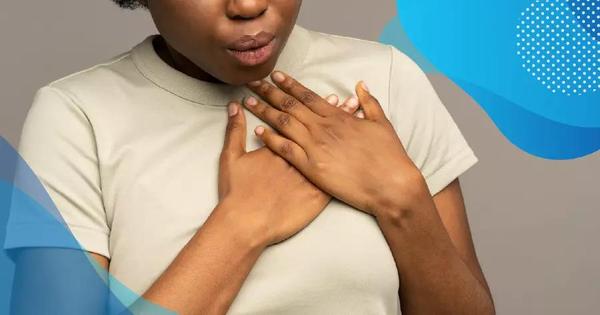
Trauma can affect both the mind and body. Many people who have experienced a traumatic event report feeling overwhelmed by the various ways that their perceptions of themselves and the world around them have been altered. However, healing is possible and it often occurs through distinct stages or phases.


Understanding the stages of trauma healing can provide you with clarity about your feelings and reactions, help ease guilt and self-blame, and increase your ability to relate to your emotions...

Compassionate Care: What Is It and Why Is It Important?

Read on to learn more about compassionate care, including why it’s important and how it may improve health outcomes.By recognizing each person’s humanity, compassionate care may enhance health outcomes. It can help build trust between people looking for care and the healthcare professionals providing it.Compassionate care is a holistic approach to healthcare. It prioritizes not only physical well-being but also the emotional, social, and spiritual well-being of people receiving medical attention...

What to Know About Emotion-Focused Therapy (EFT)

Emotion-focused therapy (EFT) is a type of talk therapy that helps individuals, couples, and families process difficult emotions and build healthier, more secure relationships.Emotion-focused therapy (EFT) is a form of talk therapy that helps people process difficult emotions, build self-awareness, and improve relationships with themselves and others.It guides you to notice and understand your feelings, then respond in healthier ways that rebuild trust, strengthen relationships, and support ment...

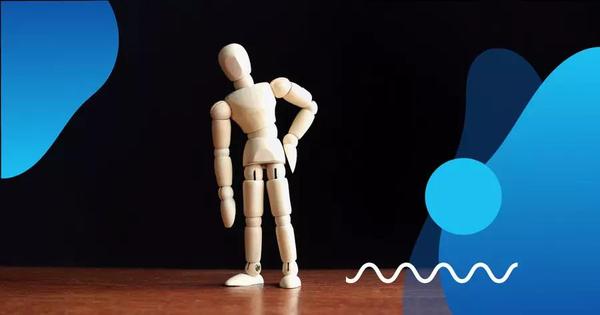
Epilepsy and Parkinson’s in Kenya - Blue Life Mag

On a quiet morning in rural Kenya, a young girl suddenly falls to the ground, her body convulsing. Her mother rushes her inside as neighbors gather. She has just had a seizure in public. Whispers of witchcraft spread quickly. Fearing judgment, the family keeps her hidden at home rather than taking her back to school.


This is the reality for many families in Kenya living with neurological conditions like epilepsy and Parkinson’s. Across the country, these conditions remain widely misunderstood...

Understanding Racial Disparities in Drug Overdose Deaths

Drug overdose deaths vary widely across racial and ethnic groups in the United States. The rates are higher in some communities due to unequal healthcare access, socioeconomic barriers, and systemic biases.Drug overdose by race shows alarming disparities, with some communities in the United States facing significantly higher risks.Some scientific evidence shows that American Indian, Alaska Native, and Black communities face the highest overdose rates.These disparities point to complex factors, i...

Hi there, I'm Rashida.

I'm a mental health writer and content strategist.  I help health organizations, including nonprofits, advocacy groups, and health brands, create content people can trust—content that protects well-being.

My work begins with a simple truth: in health, words can heal, or they can harm.

I've spent over a decade working as a registered psychiatric nurse, much of it in correctional settings supporting people living with mental health conditions and other vulnerable populations.

That experience has taught me something I carry into every piece I write or edit: 
Words carry weight. They can calm or wound, connect or isolate, build trust or break it.

Online, I see the same patterns play out. Much of health content still talks at people. Too often, it feels cold, overly clinical, or dismissive.

My work speaks with them. So when someone is scared or searching, they don't feel brushed off. They feel understood and respected.

That's why I write.

I help organizations close the trust gap. Whether the topic is mental health, chronic illness, or broader wellness, I make sure content respects people first. 

Because readers aren't just "traffic." They're human beings looking for clarity, comfort, or relief.

When I'm not writing, you'll probably find me sipping chai, spending time by the ocean, making art, or laughing with my family along Kenya's coastline 🌊

At the heart of it all, my mission is simple:

When someone struggling lands on your content, they should leave feeling seen, respected, and safe in your words.

Clients I've worked with: